













Notes and essays
Using AI for Product Decisions: Concept Testing and Fashion Brands
Two practical ways to apply AI to product decisions: testing concepts, and deciding what a fashion brand should make next.
How to use AI for product concept testing
Define the decision first, add your brand brief and constraints, compare concepts against relevant evidence, and identify what still needs testing with people or physical samples. Use AI to organise and challenge the reasoning, not to turn a prediction into proof of sales.
1. State what would change your decision
Are you choosing between concepts, checking brand fit or resolving a feasibility concern? Write down the question before generating more ideas. A clear decision keeps the analysis useful and makes it easier to recognise missing evidence.
2. Bring more than a product image
Add the target customer, brand context, project goals and known constraints. Import existing concepts if you have them. The same attractive image can lead to different decisions for brands with different customers, costs and goals.
3. Compare evidence across four questions
Does it fit the brand? Does market evidence support it? Is it feasible? Does it serve the strategy? In MercuriDash those questions sit with the concept and its reasoning. Review the evidence and challenge assumptions rather than accepting a single score in isolation.
4. Test what the analysis cannot settle
An AI-generated response is not a purchase and a rendered image is not a physical product test. Where the decision depends on consumer reactions or actual use, choose appropriate research. Keep analysis, modeled responses, human feedback and real sales distinct.
5. Record the decision and revisit the outcome
Compare ways to refine the concept, bring the right people into approval and record the rationale. Add actual outcomes once they arrive. That turns the project into useful context for the next one instead of another report no one reopens.
MercuriDash for fashion brands
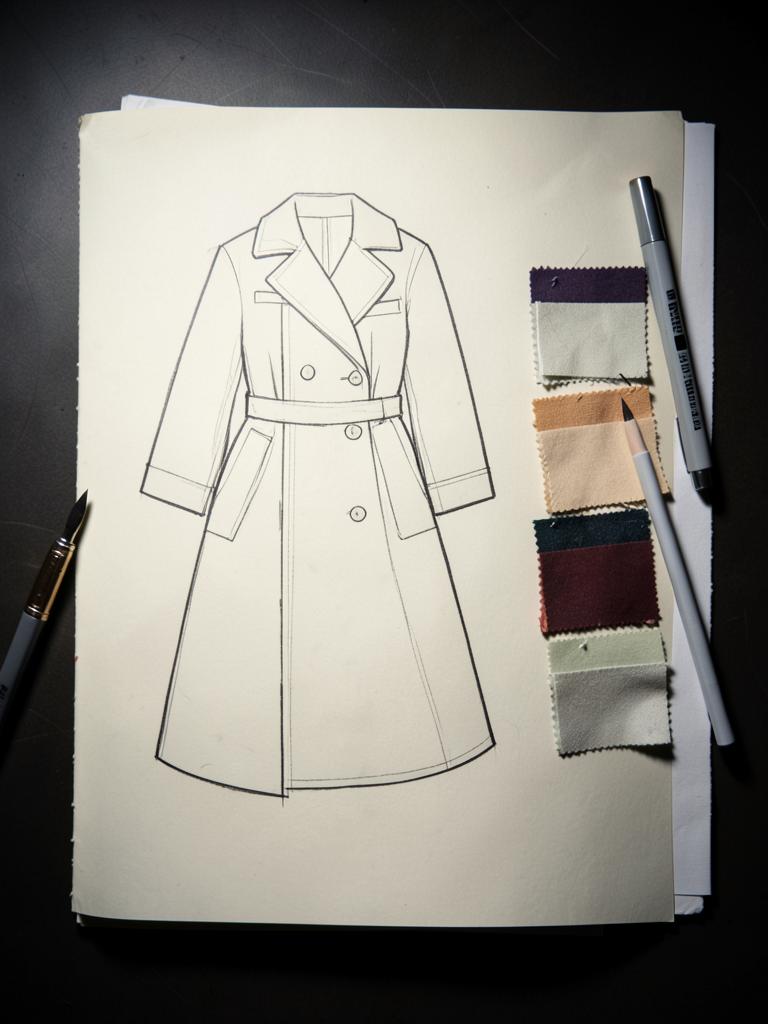
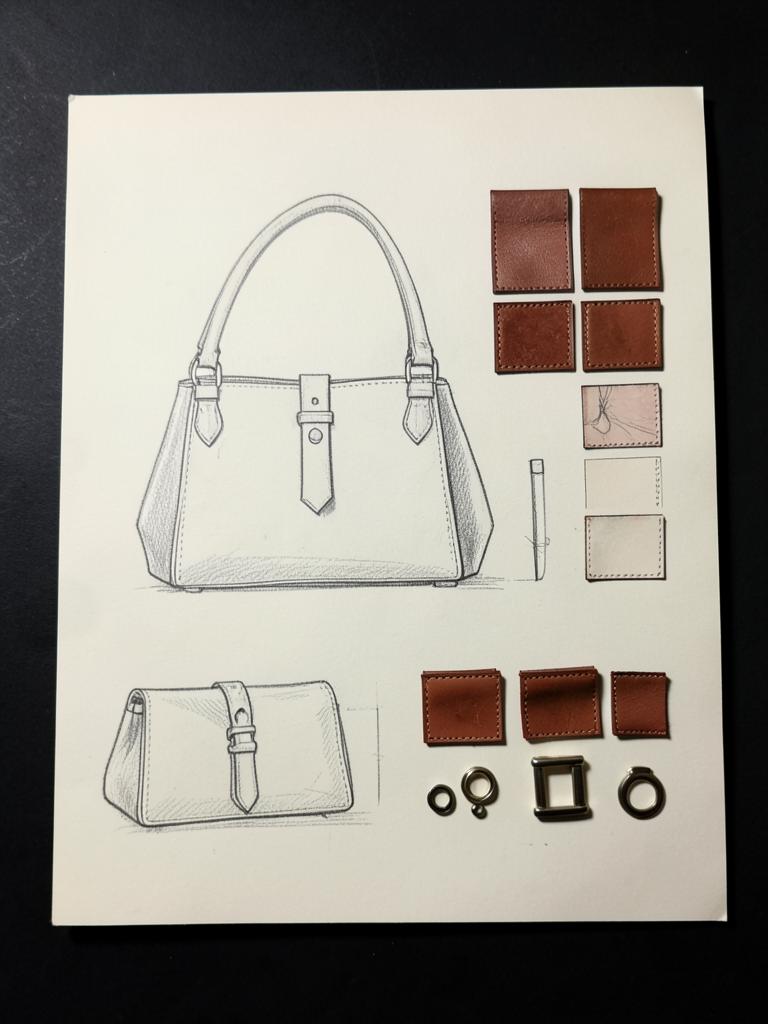
Use MercuriDash to evaluate a new fashion concept or work already in progress before committing more development spend. Bring your point of view, brief and constraints; compare the evidence and refine the concept without handing your taste to a generic AI tool.
What do we bring to the decision?
Start with the design or concept, the customer, the purpose of the project and what makes the brand recognisable. Include commercial and production constraints you already know. You can add owned data later; the first step does not require a complete data set.
What does the team evaluate?
Ask whether the concept feels like your brand, whether relevant demand evidence supports it, whether it is feasible and whether it serves the project's strategy. For example, a promising customer signal still leaves questions about material choices, costs and creative direction. Treat missing evidence as a question to resolve, not a reason to pretend certainty.
What happens to a weak concept?
Compare viable pathways before discarding or funding it. Keep the original intent, the evidence and the changes together so product, brand and commercial teams can see why an option improved. Record the decision and rationale before handing over the approved concept.
What happens after launch?
Bring real results back when they exist. Compare them with the decision you made so the next project can draw on your own history. MercuriDash is not a planning or PLM system; it works on which products deserve to progress before that stage.