

















Notes and essays
Why Product Intelligence Needs to Learn Taste, Process and Performance
Creative consumer brands depend on a combination that is difficult to capture in a single system: a distinctive point of view, the ability to turn it into products, and an understanding of how those products perform.
Taste gives a brand its character. Process brings people and expertise together to make decisions. Performance reveals what happens when those decisions meet the market.
For brands in fashion, beauty, home, and food and beverage, all three need to inform learning. Commercial data alone cannot explain everything that makes a product right for a brand. Creative preference alone cannot establish whether it deserves investment. A well-organised workflow still needs to produce worthwhile outcomes.
MercuriDash is AI product decision intelligence software for consumer brands. Our approach recognises three connected areas of learning: taste, process and performance.
Each represents an important part of how a creative business works. Together, they provide the foundation for moving from occasional good decisions towards more consistent, repeatable success.
1. Taste: preserving what makes the brand distinctive
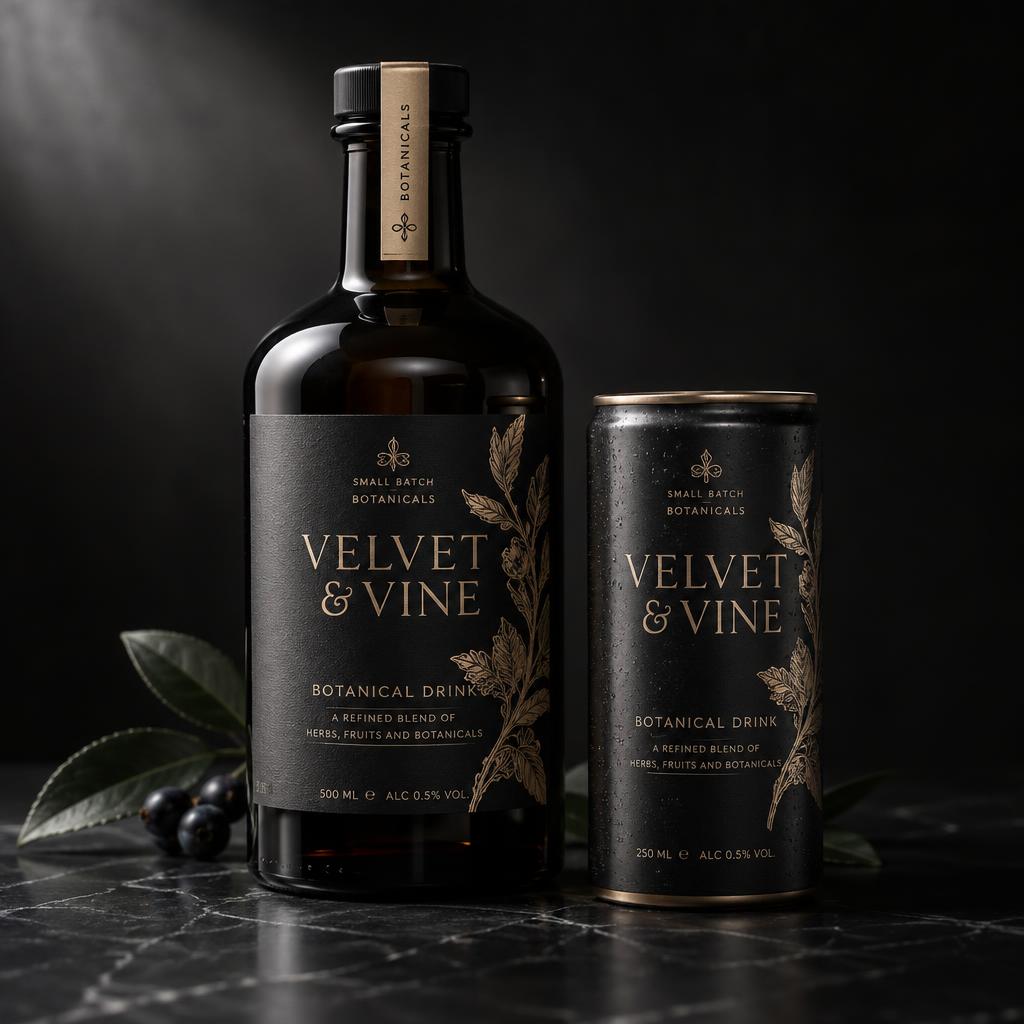
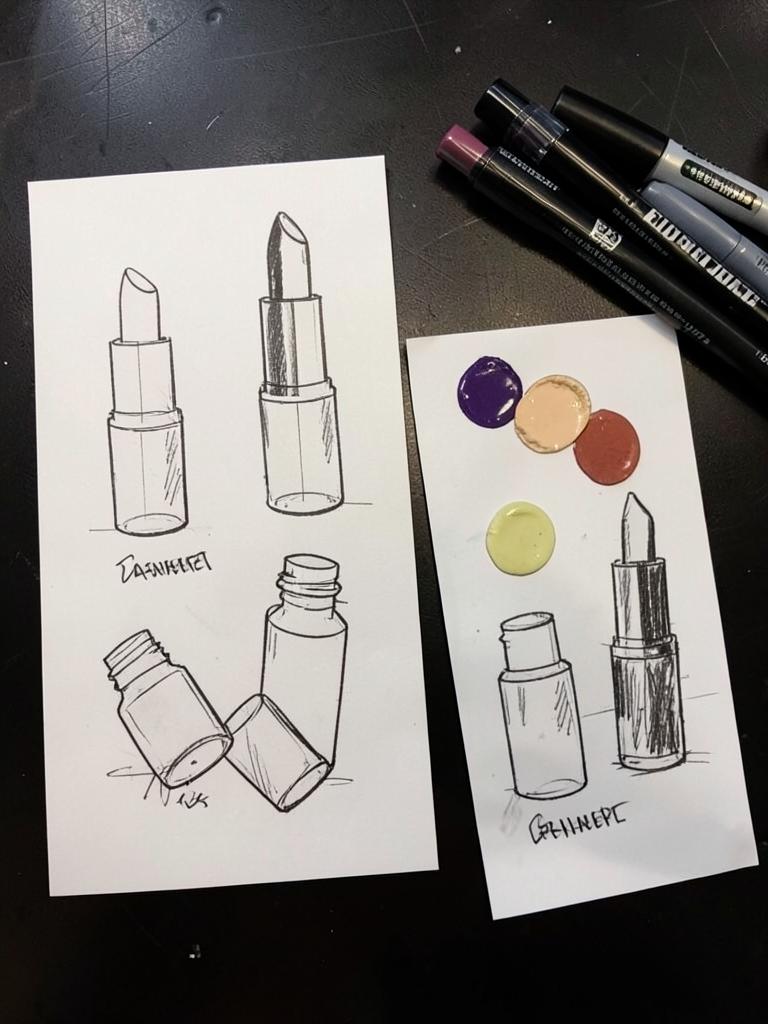
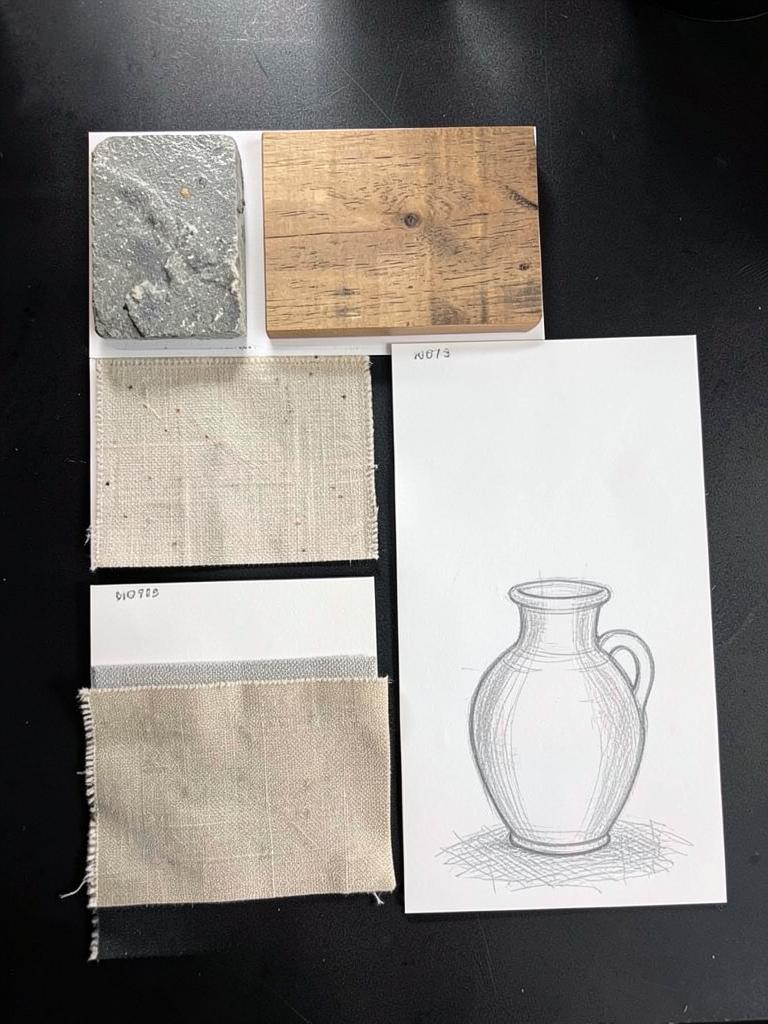
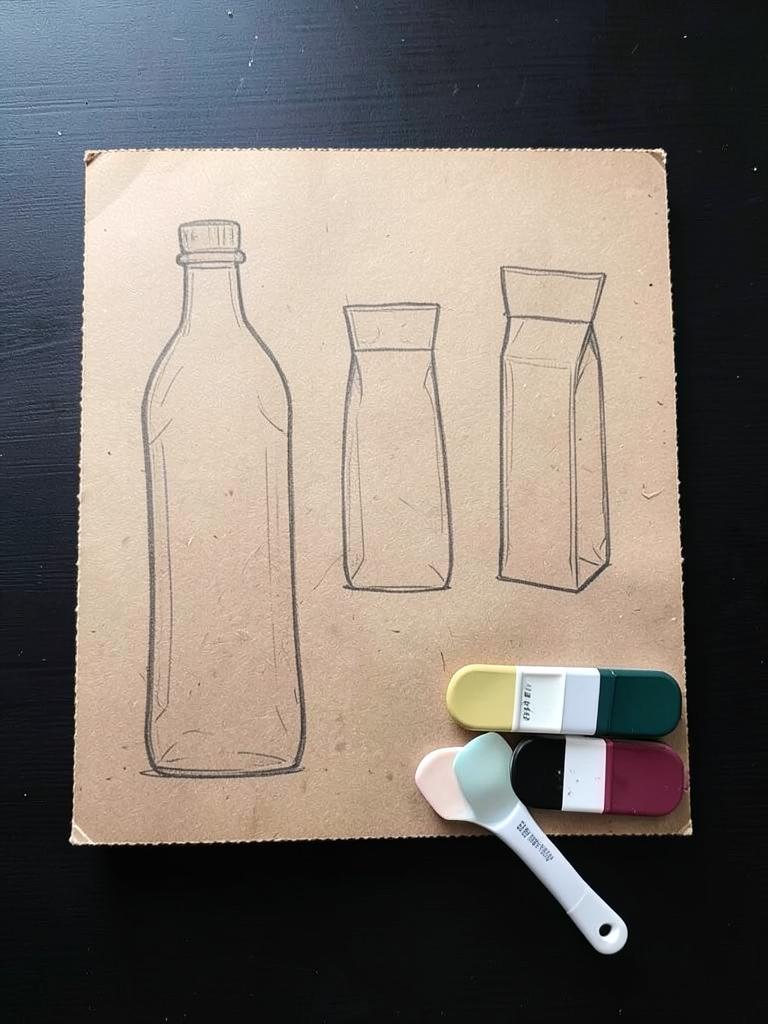
Taste is expressed through the choices a brand makes: proportion, colour, material, texture, packaging, product language and the details it chooses to emphasise or leave out.
It also appears in less tangible preferences. Something can be beautifully designed and still feel wrong for the brand. Another concept can feel immediately right, even before the team has fully articulated why.
That judgement is commercially important. Customers come to recognise a brand through the consistency and distinctiveness of its products.
But the knowledge behind those choices is often scattered.
Some lives with the founder or creative director. Some appears in old collections, marked-up samples, moodboards, emails and conversations. A brand guideline may describe the broad identity without capturing the judgement involved in applying it to a new product.
As teams grow and people change, that context can become harder to recover. A new designer sees the approved product but may never see the alternatives that were rejected or understand the reasoning behind the final choice.
Learning taste means preserving and refining an understanding of what makes a product right for this particular brand.
That understanding should leave room for evolution. A brand needs to recognise the difference between a meaningful creative development and a departure that weakens its identity.
Capturing taste makes that conversation more explicit. It helps teams carry the brand's point of view into new decisions while retaining the human judgement that gives it life.
2. Process: learning how the team reaches a worthwhile decision
Products emerge through people working together.
A founder may set the ambition. A creative team develops the expression. Merchandising considers the range and commercial opportunity. Technical and production specialists work through feasibility. Suppliers, finance teams and other stakeholders contribute constraints and expertise.
The final product reflects how those perspectives meet.
A team may arrive at a strong decision through a clear, constructive workflow. It may also arrive there after avoidable confusion, repeated handovers or a late intervention from someone whose input was needed much earlier.
Those differences matter for the next project.
Process learning examines how the team moves from an initial intention to a finished concept, range or decision—and what would make that work more effective next time.
Useful questions include:
- Which information helped the team resolve uncertainty?
- Which stakeholder needed to be involved earlier?
- Where did a brief or assumption require clarification?
- Which changes strengthened the product?
- Where did the team repeat work because earlier reasoning was unavailable?
The purpose is to understand how the organisation reaches decisions, including the conditions that make good judgement easier.
That knowledge is especially valuable in creative businesses, where important work happens through discussion, interpretation and negotiation. The reasoning can disappear once a meeting ends or an approval is given.
Preserving it helps the next team or project begin with more context. It also creates an opportunity to improve the workflow itself, rather than repeatedly solving the same coordination problems.
3. Performance: connecting product decisions to real-world outcomes
Once a product launches, the market adds another perspective.
Sales, margin, returns, repeat purchase, customer feedback and other outcomes help reveal how the product performs. Their relevance depends on what the business intended the product to achieve.
An extension designed to attract new customers should be assessed with that objective in mind. A product intended to reinforce the brand's signature may have a different role from one intended to generate broad volume.
Performance learning therefore starts with the decision behind the product: what did the team expect, why did it make that choice, and what happened afterwards?
A product may have sold strongly while generating costly returns. Another may have attracted attention without converting that interest into purchases. A seemingly modest performer may have fulfilled a specific strategic purpose.
The outcome also needs context. Availability, distribution, pricing, promotion and timing can all affect results. A sales figure alone cannot establish which part of the product decision was right or wrong.
The learning comes from connecting the original reasoning with the outcome and investigating the relationship.
Which assumptions held up? Which proved weak? Did the intended customer respond? Did a change made during development improve the result or introduce a new problem?
Those questions help turn performance reporting into knowledge that can inform future product decisions.
Why all three need to work together
Each area captures something the others cannot fully explain.
| Area of learning | What it helps the brand understand | What it needs from the others |
|---|---|---|
| Taste | What makes products recognisable, distinctive and appropriate for the brand | Evidence of how those choices can be delivered and how customers respond |
| Process | How teams combine expertise and work towards a finished decision | A clear creative and strategic purpose, followed by evidence of the result |
| Performance | How products behave in the market and contribute to business objectives | The context and reasoning needed to interpret those outcomes |
Learning only from taste can reinforce familiar preferences without sufficiently testing them. Learning only from process can produce an orderly workflow without improving the products it delivers. Learning only from performance can encourage imitation of past winners while overlooking the creative choices that could build future value.
Creative consumer brands need to hold these perspectives together.
They need room for instinct and originality, a practical way for different stakeholders to contribute, and the discipline to examine what happens afterwards.
The aim is to make each perspective more useful through its relationship with the others.
From individual decisions to organisational memory
A good decision can depend heavily on the people present at the time. Repeatable success requires the organisation to retain something useful from that experience.
That might be a clearer understanding of a creative boundary, a better way to resolve a recurring feasibility issue or evidence that challenges a long-held assumption about customer demand.
When those lessons remain scattered across people, documents and systems, the next project can begin with many of the same uncertainties.
Embedding learning in the product decision workflow helps make knowledge available when it can influence the next choice.
The brand's preferences can inform the brief. Lessons about collaboration can shape who contributes and when. Evidence from previous outcomes can help the team question assumptions before committing further resources.
This is the ambition behind connected learning in product decision intelligence: decisions that build on what the organisation has already discovered, while remaining open to new creative and commercial possibilities.
What this means for MercuriDash
MercuriDash brings brand identity, strategic fit, market and demand evidence, and feasibility and margin into one product evaluation workflow.
Taste, process and performance represent three areas through which that approach can become increasingly informed: understanding the brand more clearly, helping teams work through decisions more effectively, and connecting those decisions with real-world results.
This is a direction for continuous learning, rather than a claim that every outcome can already be captured or explained automatically. Human judgement, reliable evidence and clear objectives remain essential.
For a creative consumer brand, lasting value comes from preserving what makes it distinctive while improving its ability to deliver and perform.
Learning across taste, process and performance supports that balance. It gives each product decision the potential to strengthen the next—and helps the business build a more consistent way of creating products worth backing.
Explore MercuriDash to evaluate your next product launch or existing range.