



















Notes and essays
Concept Development and Validation: Where Creativity Meets Commercial Judgement
The concept stage is where an idea begins to become a business commitment.
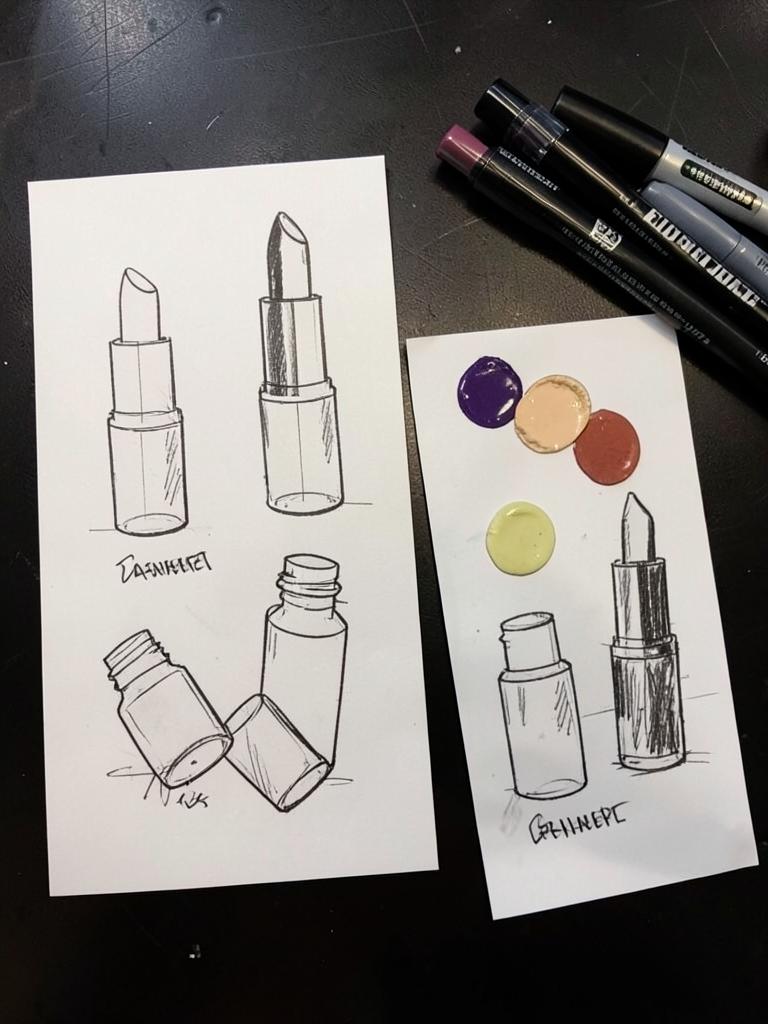
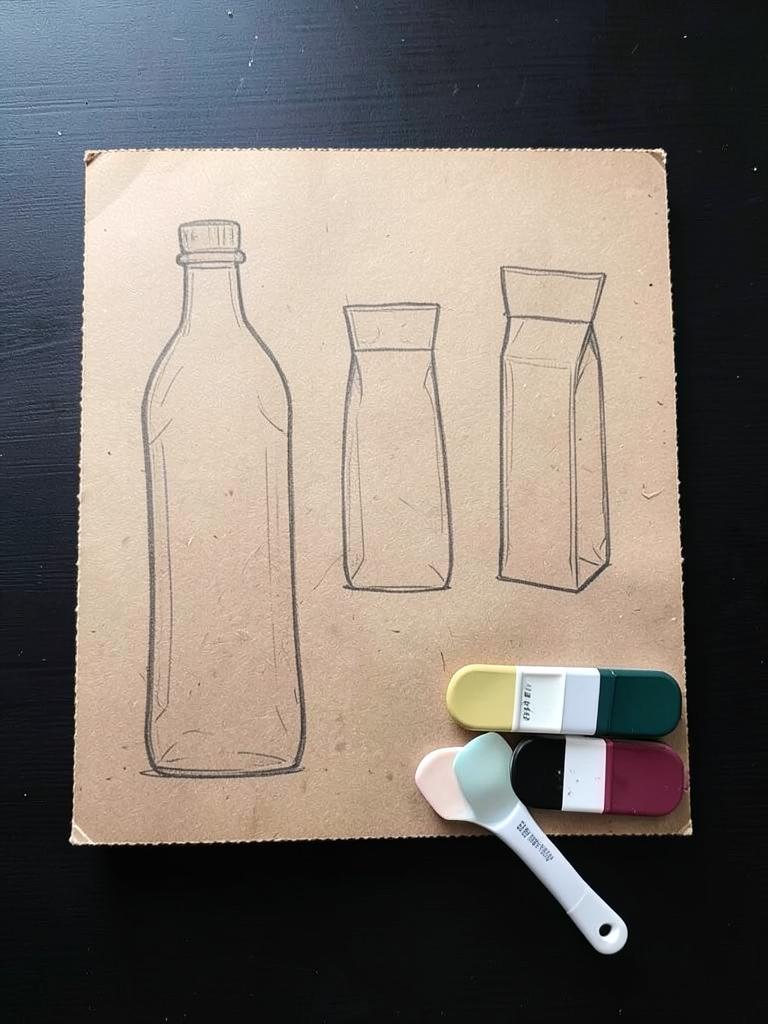
A sketch, a product description or a packaging direction may look provisional. Yet decisions about the customer, positioning, format, materials and price are already shaping what the product could become—and whether it makes sense to pursue.
This makes concept development and product concept validation a powerful point of intervention. Teams can question assumptions, compare alternatives and improve the proposition while there is still room to change direction.
MercuriDash is AI product decision intelligence software for consumer brands in fashion, beauty, home, and food and beverage. This is our primary space: helping teams develop, pressure-test and improve product concepts before committing further resources.
We bring four connected perspectives into that work: brand identity, strategic fit, market and demand evidence, and feasibility and margin.
For new product development (NPD) and innovation teams, this is a recurring challenge: turning a pipeline of possibilities into a clear set of products worth developing. MercuriDash helps teams bring creative direction, consumer research, commercial objectives and operational input into the same evaluation—so they can compare concepts, identify what needs improving and build a reasoned case for the next development commitment.
The purpose is to combine creative judgement with disciplined analysis, so a promising idea can become a product worth backing.
What is the difference between creative exploration, concept development and concept validation?
These activities inform one another, but they have different purposes.
| Activity | Main question | What it contributes |
|---|---|---|
| Creative exploration | What could we create? | Possibilities, visual directions and unexpected combinations |
| Concept development | How could this idea become a coherent product proposition? | A clearer customer, purpose, specification, positioning and commercial direction |
| Concept validation | What supports progressing this concept, and what needs changing or testing? | An assessment of evidence, assumptions, constraints and investment readiness |
Creative exploration needs freedom. Designers and founders need space to investigate an unusual shape, an unexpected ingredient, a different material or a new expression of the brand.
Concept development gives those possibilities more definition. Concept validation applies scrutiny: does the proposition hold together, what evidence supports it and where are its weaknesses?
A concept can return to exploration after evaluation. A material constraint may inspire a better construction. Customer feedback may reveal a more useful format. A strategic question may prompt a stronger proposition.
The value comes from connecting these activities while preserving the distinct job each performs.
Why the concept stage offers so much leverage
By the time a product reaches sampling, tooling, formulation, packaging production or a substantial stock order, more decisions have become dependencies.
Changing one part may require other work to be repeated. The team may also feel pressure to continue because it has already invested time, money and attention.
At the concept stage, many of those commitments are still open.
The team can reconsider who the product is for, what makes it distinctive, which attributes are essential and whether its intended price is plausible. It can also recognise when an attractive idea lacks a convincing reason to exist.
Early evaluation cannot resolve every uncertainty. Some questions require physical samples, laboratory work, customer testing or supplier confirmation. But it can identify those questions before assumptions become embedded in the plan.
A useful concept-stage decision establishes what is worth developing, what needs improving and what must be learned before committing further.
For NPD and innovation teams, this gives concept reviews a practical purpose: deciding where to direct development resources and what the next phase needs to resolve.
Bringing four lenses into one product evaluation
A concept may look strong from one perspective while remaining weak overall. MercuriDash evaluates the relationships between four lenses.
Brand identity: does this product belong to us?
A product needs a credible relationship with the brand’s identity, customer expectations and distinctive point of view.
That does not mean repeating what the brand has already made. A concept can move the brand forward while retaining a recognisable connection to it.
The question is whether the development feels intentional and appropriate—and which details make it so.
Strategic fit: what is this product meant to achieve?
A concept needs a purpose within the business’s product strategy.
It might extend a proven strength, attract an adjacent customer, improve repeat purchase or address a weakness in the existing offer.
Making that purpose explicit helps the team assess the concept against the outcome it is intended to support. An appealing idea can still be a poor use of resources if it does little to advance the current objective.
Market and demand evidence: what supports the proposition?
Demand evidence can include external market signals, competitor activity, customer behaviour and the brand’s own research and performance data.
The task is to assess what that evidence supports, how relevant it is to the proposed product and where uncertainty remains.
A broad trend is useful context. Evidence that the intended customer values the proposed benefit is more directly relevant to the concept.
Feasibility and margin: can we deliver it commercially?
A promising concept needs a plausible route to delivery.
Materials, ingredients, construction, manufacturing capabilities, minimum order quantities, lead times and costs can all affect the decision.
At an early stage, some figures will be estimates. Those assumptions should be visible, with a clear distinction between a plausible direction and a confirmed production proposition.
The four lenses belong in the same evaluation because a change that strengthens one can weaken another.
An example: developing and validating a food product concept
Imagine an established premium snack brand considering a new savoury bar.
The creative direction is appealing: distinctive packaging, an unusual flavour combination and a format that could sit alongside the existing range. The strategic objective is to give current customers another reason to buy throughout the week.
The brand brings several inputs into the evaluation:
- Sales, repeat purchase and margin data from its existing products.
- Customer interviews about when and why people snack.
- Qualitative taste-test feedback on early flavour directions.
- Focus-group responses to the proposed format, positioning and packaging.
- Preliminary supplier information about ingredients, shelf life, costs and production minimums.
Each source answers a different question.
Existing performance data may suggest that customers buy for convenience and portion size. Interviews may reveal an unmet savoury occasion. Taste testing may show enthusiasm for one flavour but concerns about texture. Packaging feedback may indicate that the concept looks more like a meal replacement than a snack.
Meanwhile, supplier estimates may suggest that one ingredient pushes the expected margin below the brand’s requirement.
A useful evaluation brings these findings together.
The concept may fit the brand, but its current positioning could confuse customers. The flavour direction may have support, while the texture needs further development. The commercial case may depend on adjusting the recipe or format.
The decision is to refine and gather targeted evidence before making a production commitment. The opportunity warrants further investigation, but the current concept has unresolved weaknesses.
The next development brief becomes specific: retain the promising occasion and flavour, revise the positioning, investigate the texture concern and confirm whether a cost adjustment can preserve the product’s appeal.
The revised proposition can then be evaluated again. If the evidence strengthens and the commercial constraints are resolved, the team has a clearer case to progress. If those weaknesses remain fundamental, it can redirect resources before committing further.
That is a practical outcome for an innovation team: a decision, the reasons behind it and a focused next step.
Your own research and performance data belong in the process
Product concept validation should make use of relevant knowledge the brand already holds.
That can include quantitative performance data, such as sales, returns, margins and repeat purchase. It can also include qualitative material: interviews, focus groups, taste preferences, sample reviews and feedback from customer-facing teams.
These inputs should be interpreted according to what they can establish.
A focus group can reveal language, concerns and reactions. A taste test can identify preferences within the tested conditions. Historical sales can show what happened to an existing product, without proving that a new concept will behave the same way.
The value lies in connecting the evidence to the question it helps answer.
MercuriDash’s role is to bring relevant inputs into the broader product evaluation, alongside brand identity, strategic objectives and commercial constraints.
Where evidence is missing or contradictory, that should become part of the decision: what remains uncertain, how much it matters and what further work could resolve it.
Evaluation should improve the concept
A score alone gives a team limited direction.
If a concept is weak on brand fit, the team needs to understand which aspects create the mismatch. If feasibility is uncertain, it needs to know which assumption requires confirmation. If demand evidence is limited, it needs a focused question for further research.
This makes evaluation an active part of concept development.
The team can investigate whether a change in format, material, specification, positioning or intended customer would strengthen the proposition. It can also recognise when the weakness is fundamental and further development is unlikely to justify the investment.
A useful review should leave the team clear about its next action: progress the concept, improve it, gather specific evidence or stop further development. These are practical decisions about the next commitment, rather than guarantees of eventual market success.
MercuriDash connects evaluation with improvement, helping teams work towards a stronger option rather than stopping at an initial verdict.
Art and science in the same decision
Creative consumer products depend on judgement that cannot be reduced to a spreadsheet. Proportion, sensory appeal, originality and the expression of a brand all matter.
They also depend on evidence and constraints that enthusiasm cannot resolve.
Disciplined evaluation brings these perspectives into conversation. It makes assumptions explicit, examines evidence, considers alternatives and identifies what needs testing. Creative judgement helps interpret those findings and develop a response that remains distinctive.
This is art and science working together: imagination shaped by evidence, with evidence interpreted in the context of the brand and its ambition.
The aim is a concept with a coherent creative, strategic and commercial case—and a team that understands both the reasons to proceed and the questions still open.
Where MercuriDash fits
MercuriDash sits at the point where product possibilities need to become reasoned decisions.
It applies brand strategy and creative direction to new product concepts, brings market evidence and the brand’s own inputs into the evaluation, and examines feasibility before detailed development commitments.
That makes concept development and concept validation central to our role as an AI product strategist for founders, product leaders, NPD teams and innovation teams.
We help consumer brands decide which concepts deserve investment, how promising ideas could become stronger and what needs validating before the next commitment.
The result is a clearer connection between the product a team imagines and the business case for bringing it into the world.
Explore MercuriDash to develop, evaluate and improve your next product concept.